by PDX Parker | Oct 28, 2025 | Equipment Storage, Informative
Tool Storage Tips: Prevent Rust in Long-Term Storage (Pacific Northwest Winterizing Guide)
The Pacific Northwest is known for its lush green landscapes, misty mornings, and… relentless moisture. While that damp air is great for forests, it’s brutal on tools. Rust, corrosion, and mildew can destroy expensive equipment if not stored properly through the region’s long, wet winters. Whether you’re stashing power tools, hand tools, or lawn equipment, proper preparation now can save you hundreds later. Here’s how to keep your tools rust-free and ready to go when spring returns.
1. Clean Thoroughly Before Storage
Moisture and dirt are rust’s best friends. Before putting any tool away, give it a good cleaning. Wipe off grease, dirt, and sawdust using a mild degreaser or a simple mix of dish soap and warm water. For power tools, use compressed air to clear vents and moving parts. After cleaning, make sure everything is completely dry before you move on—any leftover moisture will cause trouble once temperatures drop.
2. Apply a Rust Preventive Coating
In the Pacific Northwest, even garage-stored tools can pick up condensation. A thin coat of oil creates a barrier against moisture. For hand tools, apply a light layer of WD-40, mineral oil, or a purpose-made rust inhibitor. For garden tools, wipe metal surfaces with an oily rag and consider a light coating of wax for added protection. Power tools benefit from a silicone-based spray or moisture-resistant lubricant applied to exposed metal parts and screws.
3. Choose a Dry Storage Location
Garages and sheds often trap humidity during winter. If possible, store your tools in a heated or insulated space. For unheated areas, invest in a small dehumidifier or moisture-absorbing products like silica gel packs or DampRid containers. You can also hang tools on pegboards instead of leaving them on cold concrete surfaces, which tend to collect condensation.
4. Use Airtight Storage Solutions
Plastic bins with tight-fitting lids or weather-sealed toolboxes work wonders for long-term protection. Line the bottom with desiccant packs or charcoal briquettes to absorb excess moisture. For smaller hand tools, wrap them in wax paper or VCI (vapor corrosion inhibitor) paper before sealing them away. Power tools can be placed in their original cases with a moisture absorber inside.
5. Keep Air Circulating
If your storage area is enclosed, air stagnation can lead to damp spots. Keep air moving with a small fan on a timer or periodically open doors and vents on dry days. This helps prevent condensation from forming on tool surfaces—especially in the Pacific Northwest where cold nights and warmer days create daily humidity swings.
6. Don’t Forget Batteries and Cords
For cordless tools, remove batteries and store them indoors at room temperature. Cold and damp conditions shorten battery life. Check cords and plugs for wear, and wrap them loosely to prevent cracking from temperature fluctuations.
7. Inspect Mid-Winter
Set a reminder to check your tools at least once during the winter. A quick inspection helps you catch any early signs of rust or dampness before they become serious problems.
By taking these steps, your tools will stay dry, rust-free, and ready to perform when the Pacific Northwest rain finally gives way to sunshine. Proper winterizing isn’t just smart maintenance—it’s an investment in keeping your gear in top shape for years to come.
by PDX Parker | Oct 24, 2025 | Equipment Storage, Informative, RV Storage
A Guide from PDX Auto Storage – Portland’s Trusted Vehicle & RV Storage Facility
If you own an RV, you already know that propane tanks are the heart of your adventures — keeping your stove lit, your fridge cool, and your family comfortable on the road. But when the camping season ends and it’s time to store your RV, those same propane systems need extra care to ensure safety, compliance, and peace of mind.
At PDX Auto Storage, we work with RV owners across the Portland metro area to provide secure, affordable seasonal storage. Along the way, we’ve seen what works — and what doesn’t — when it comes to safe propane tank storage.
Here’s our expert guide to help you do it right.
Do: Turn Off and Disconnect Your Propane System
Before storing your RV for the winter, turn off all propane valves and disconnect any auxiliary tanks. Make sure:
- All appliances (stove, fridge, heater, etc.) are turned off.
- Lines are depressurized and checked for leaks.
- Detachable tanks are removed if your storage provider requires it.
This helps prevent slow leaks and ensures that if temperatures drop or rise, your system won’t experience unnecessary pressure changes.
Do: Inspect Your Tanks Before Storage
Check for dents, rust, or worn seals around the valves and hoses. Portland’s damp winters can accelerate corrosion, so a quick inspection now prevents costly replacements later. If you see damage or smell gas, have your tanks checked by a certified propane technician before storage.
Don’t: Store Propane Tanks Indoors or in Enclosed Spaces
This is one of the most important safety rules:
Never store propane tanks inside your RV, garage, or enclosed trailer.
Propane is heavier than air and can collect in low areas, increasing the risk of fire or explosion. Tanks should always be stored upright, outdoors, and in a well-ventilated area — away from ignition sources, including heaters and electrical boxes.
Do: Protect Tanks from the Elements
Oregon winters can be wet and unpredictable. Protect your propane tanks by:
- Storing them on a stable, level surface (gravel or concrete preferred).
- Keeping them upright with caps secured.
- Using a tank cover to shield valves from rain and debris.
At PDX Auto Storage, our outdoor RV storage spaces are designed to keep your vehicle and attached propane systems safe and stable, even through heavy rain and cold conditions.
Do: Label and Secure Detached Tanks
If you remove your tanks for separate storage, keep them clearly labeled (full or empty) and securely fastened so they can’t tip or roll. Store them at least 10 feet away from structures, heat sources, or combustible materials.
Don’t: Ignore Local Regulations
Every facility and municipality may have specific rules about propane storage. For example, some Portland-area storage providers require tanks to be removed during long-term storage.
At PDX Auto Storage, we follow strict safety and local compliance standards, and our team is happy to guide you through best practices to keep your RV and propane systems safely stored all season long.
A Little Preparation Goes a Long Way
Taking a few simple precautions ensures your RV is ready to roll safely next spring. Regular inspections, proper ventilation, and secure outdoor storage make a big difference — both for your safety and your RV’s longevity.
When you’re ready to store your RV this winter, choose a facility that understands what matters most:
✅ Security
✅ Space
✅ Safety
PDX Auto Storage has served Portland for over 27 years, offering secure, double-fenced RV and vehicle storage near Portland International Airport (PDX).
Reserve Your Space Before Winter Fills Up!
Protect your RV, your propane system, and your peace of mind.
Visit www.pdxautostorage.com to learn more or reserve your space today.
PDX Auto Storage – Secure, Affordable, and Just Minutes from the Airport.
Serving Portland for 27 years with trusted vehicle and RV storage solutions.
by PDX Parker | Oct 21, 2025 | RV Storage, Equipment Storage
Living in the Pacific Northwest (PNW) means learning to love the rain—but it also means learning how to protect your valuable vehicles from it. With frequent downpours, mist, and year-round humidity, moisture control in storage is a top priority for RV, auto, and boat owners. Without proper precautions, the region’s damp climate can lead to mold, mildew, corrosion, and costly damage. Whether you’re storing your RV for the winter, keeping your car under cover, or tucking your boat away until next season, here’s how to keep moisture under control and protect your investment. At PDX Auto Storage, we understand the importance of the proper winter protection and look forward to helping.
1. Choose the Right Storage Location
The first line of defense against moisture is selecting the right storage environment. If possible, opt for indoor or covered storage—especially for long-term storage. Fully enclosed facilities provide the best protection against constant rain and wind-driven moisture. If indoor storage isn’t available, look for covered outdoor options with paved surfaces and good drainage to prevent pooling water.
When storing at home, park your RV, car, or boat on a concrete or gravel surface rather than grass or dirt, which can hold moisture and cause condensation underneath. Always avoid parking under trees, where dripping water and organic debris can lead to staining and mold growth.
2. Use High-Quality Covers and Ventilation
A water-resistant, breathable cover is essential for outdoor storage in the PNW. Choose a cover specifically designed for your vehicle type—RV, car, or boat—to ensure a snug fit and proper ventilation. Breathable fabrics allow moisture vapor to escape, preventing condensation that leads to mildew. Avoid plastic tarps, which can trap moisture and cause more harm than good.
Ventilation is equally important. For RVs and boats, crack roof vents slightly or install vent covers that allow air circulation without letting rain in. Good airflow helps balance humidity and discourages mold growth in enclosed spaces.
3. Manage Interior Humidity
The damp air of the Pacific Northwest often seeps into stored vehicles, especially boats and RVs with large interiors. Combat this with moisture absorbers or dehumidifiers. Products like DampRid, silica gel packs, or small plug-in dehumidifiers are inexpensive and effective for enclosed spaces.
For long-term RV or boat storage, remove soft furnishings and store them in a dry area, or at least elevate them to allow airflow underneath. Wipe down all interior surfaces and ensure everything is completely dry before sealing up.
4. Seal and Protect Exteriors
Inspect all seams, gaskets, and seals on your RV or boat before storage season begins. Reseal any cracks or gaps where water could enter. Apply a wax or protective coating to painted surfaces, chrome, and fiberglass to create a barrier against moisture. For cars, a thorough wash and wax can help repel rain and reduce oxidation.
For boats, don’t forget to drain all water from the bilge and plumbing systems before covering. Any standing water can become a breeding ground for mold and corrosion.
5. Regular Checks During Storage
Even in storage, your vehicle shouldn’t be forgotten. Periodically check on it—especially after a heavy storm—to ensure no leaks, condensation, or pooling water have developed. A quick inspection can prevent small moisture problems from becoming big, expensive repairs.
Final Thoughts
In the Pacific Northwest, moisture control is the key to preserving your RV, car, or boat year-round. With smart storage choices, breathable covers, and a little ongoing maintenance, you can beat the rain and humidity that define PNW living. Protecting your vehicles now ensures they’ll be ready to hit the road—or the water—when the skies finally clear. Be sure to visit us at our convenient location near the Portland Airport or call (503)257-1140
by PDX Parker | Oct 15, 2025 | Equipment Storage, Informative, RV / Travel Trailer, RV Storage
If you live in Portland, Oregon, or plan to store your RV in the area, you know the drill. Pacific Northwest winters are no joke. The combination of rain, freezing temperatures, and humidity can wreak havoc on an unprepared camper. From frozen plumbing lines to mold and mildew, winter weather can turn your beloved RV into an expensive repair project come spring. That’s why RV winterization is one of the most important maintenance steps you can take before temperatures drop.
Here’s how to properly winterize your RV and protect your investment during Portland’s chilly, wet winter months.
1. Drain and Protect Your Water System
The number one cause of RV damage in cold climates is frozen water lines. When water freezes, it expands and can crack your pipes, fittings, and tanks. To prevent this:
-
Drain your fresh water tank, gray tank, and black tank completely.
-
Open all faucets, including the shower and outside hose connections, to remove trapped water.
-
Use RV antifreeze in your plumbing system. Run it through your water pump and lines until pink antifreeze flows out of each faucet.
-
Don’t forget to bypass your water heater before adding antifreeze, as you don’t want to fill the tank with it.
If you plan to camp during winter, consider installing tank heaters or heat tape on vulnerable pipes to keep them from freezing.
2. Seal Up and Protect Against Moisture
Portland’s winter rain and humidity can lead to serious mold, mildew, and rust if your RV isn’t sealed properly. Before storing your camper, inspect all seams, roof vents, and window seals. Use a quality RV sealant or caulk to repair any cracks or gaps.
Inside, moisture control is key. Place moisture absorbers or dehumidifiers in areas like closets, cabinets, and under beds. You can also leave roof vents slightly cracked (with vent covers installed) to promote airflow and prevent condensation buildup. If you’re storing your RV outdoors, invest in a breathable RV cover designed for wet climates like the Pacific Northwest. A waterproof yet ventilated cover helps keep rain out while allowing trapped moisture to escape.
3. Protect the Exterior and Tires
Oregon’s damp winters can also take a toll on your RV’s exterior finish and tires. Start by giving your camper a thorough wash and wax before storing it. This protective coating helps repel moisture and road grime.
If you’re parking your RV on concrete or asphalt for the winter, consider placing it on tire pads or wood planks to prevent moisture damage and flat spots. Inflate your tires to the recommended pressure and cover them to protect against UV exposure—even during cloudy months, the sun can still cause dry rot.
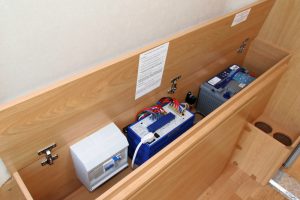 4. Take Care of Your Batteries
Cold temperatures can shorten the life of your RV’s batteries if left unattended. Disconnect and fully charge your batteries before storage. Store them in a cool, dry place—ideally somewhere like a garage or basement. If your RV stays plugged into shore power during storage, use a battery maintainer to keep it charged without overloading it.
5. Keep Pests Away
As the temperatures drop, mice and other critters may look for a cozy place to spend the winter—like inside your RV. Seal off any small openings where they could enter, such as plumbing holes, vents, and access panels. Place rodent repellents, traps, or peppermint oil sachets inside to deter them from nesting.
6. Don’t Forget Your Engine and Fuel (for Motorhomes)
If you own a motorized RV, take time to stabilize your fuel before long-term storage. Add a fuel stabilizer to prevent the gas from breaking down, and run the engine for a few minutes to circulate it. Check and top off fluids, including antifreeze, oil, and windshield washer fluid rated for freezing temperatures.
Final Thoughts
Preparing your RV for Portland’s wet and cold winter season is the best way to ensure a stress-free spring camping trip. Whether you’re storing your rig at home, in a covered facility, or out in the open, proper RV winterization can save you thousands in repairs and preserve your camper for years to come.
Pacific Northwest winters may be known for their relentless rain and unpredictable cold snaps—but with a little preparation, your RV will be ready to roll again once the cherry blossoms return to Portland. Be sure to visit PDX Equipment Storage for more tips and tricks

by PDX Parker | Jul 7, 2024 | Blog, Parking, RV / Travel Trailer, Secure Parking ,
Summer is one of the prime seasons to get out there and enjoy your RV – but its also one of the best times to keep it off the road as well. Why you ask? There’s a few reasons why you may not want to be out cavorting in your home away from home during the hottest months of the year.
- Weather. The weather can be a bit demanding to say the least. Mother nature hasn’t been too kind to us lately, with record high summer temperatures and dangerous wildfires popping up here and there. There are some gorgeous nights and perfect mornings but you may be spending a bit more time inside your RV relying on it’s air conditioner than you’re used to.
- Traffic. Summer time in oregon is the time for people to get out and enjoy the outside. But when you have a Rec. Vehicle, you can take your house-on-wheels anywhere, at any time. Why fight mid-summer traffic when you’re bringing your home with you wherever you go. No matter the weather, you’ve got your cozy spot to relax in; making you more flexible when it comes to planning excursions.
- Crowds. Who doesn’t love a crowd? Well, maybe not when you’re favorite beach spot is a bit too full to enjoy. Or when you pull up to that great hike base only to see a sea of cars with no more spots left. It’s great to get out there, but sometimes you want to get away only to find you’re right up in it.
For those times between trips, or when you just want to park your RV securely to take a breather, PDX Auto Storage is a great place to park your baby. Whether only for a day or two, a week, or even a month – we make security and access to your vehicle our top priority. Get it off the street or out of the driveway temporarily and store it at our facility. When you need it, we can put the keys in your hand at a moments’ notice, taking the worry out of what to do with it for the time being. Call us today!