by Scott Schechtel | Aug 9, 2026 | Equipment Storage, RV / Travel Trailer, RV Storage, Uncategorized
Commercial trailers are valuable assets for contractors, landscapers, construction companies, event businesses, and other Portland-area businesses. When a trailer isn’t being used, leaving it parked at a job site, on the street, or in a crowded commercial lot can create unnecessary security and space concerns. Choosing the right storage facility can help protect your investment while making it easier to manage your business. For businesses in Portland, Oregon, PDX Auto Storage provides a convenient option for commercial trailer storage when you need a dedicated place to keep your equipment between jobs or during periods of lower demand.
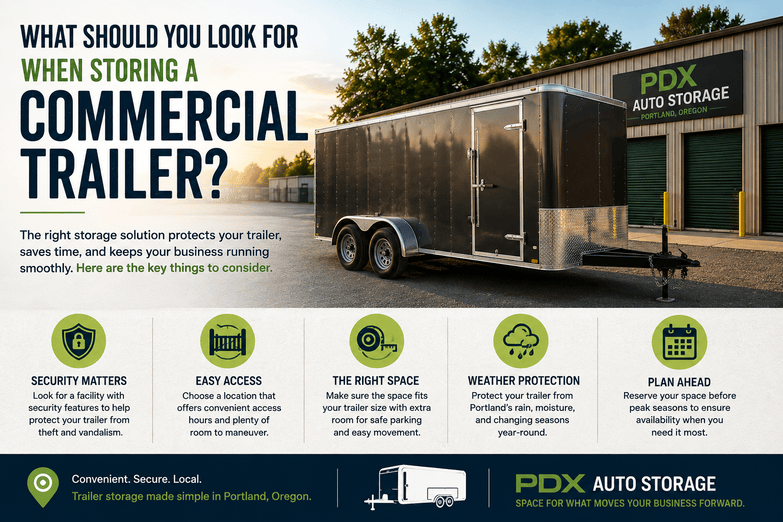
Security Should Be a Priority
A commercial trailer can represent a significant investment, particularly when it contains tools, equipment, or materials. Before choosing a storage facility, look for a property with security measures designed to discourage unauthorized access and theft.
Keeping your trailer at a dedicated storage facility can provide greater peace of mind than leaving it unattended at a job site or on the street. PDX Auto Storage gives Portland businesses a designated location for storing trailers when they’re not actively being used.
Make Sure Access Is Convenient
Storage isn’t useful if retrieving your trailer becomes a logistical headache. Consider how easily you can enter and exit the facility, maneuver a trailer, and access your equipment when a new project begins.
This is especially important for Portland contractors who may move trailers between several job sites throughout the week. Convenient access can save valuable time and make scheduling crews and equipment much easier.
Consider the Space You Actually Need
Commercial trailers come in many different sizes and configurations. Before committing to a storage solution, determine how much space you need not only for the trailer itself but also for safely maneuvering it into and out of its storage position. Having adequate room around your trailer can make regular access considerably easier and reduce the frustration associated with tight parking areas.
Think About Long-Term Protection
Even when a trailer isn’t being used, it remains exposed to weather and environmental conditions. Portland’s wet seasons and changing weather can contribute to wear over time.
Choosing a dedicated storage location can help keep your trailer organized and protected when it isn’t needed on a job site. It’s also a good opportunity to perform routine inspections, maintenance, and cleaning before the trailer goes back into service.
Plan Ahead for Busy Seasons
Summer is a particularly active period for Portland contractors and service businesses. Trailers may be needed at multiple job sites, while additional equipment and vehicles can create parking shortages. Arranging storage before your busiest season begins can make fleet and equipment management much easier.
For Portland businesses, PDX Auto Storage offers a practical solution for keeping commercial trailers organized, accessible, and securely stored between projects. Instead of allowing valuable trailers to consume limited business parking or sit unused at job sites, off-site storage can give your company the flexibility it needs to keep operations moving.
by Scott Schechtel | Jul 12, 2026 | RV Storage, Equipment Storage, Informative, Secure Parking ,, Uncategorized
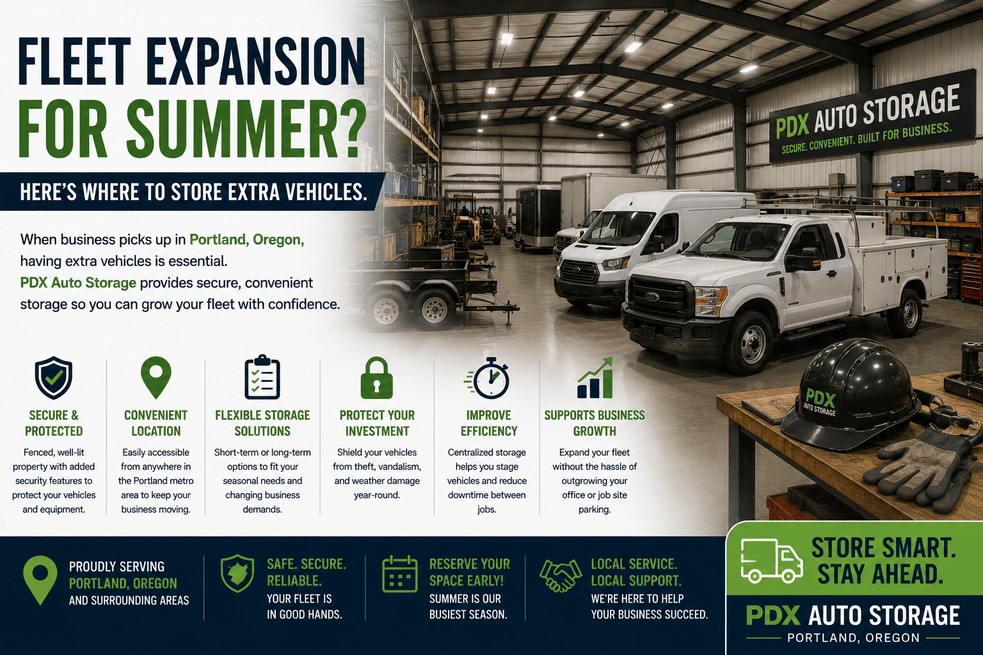
As summer arrives in Portland, many businesses experience their busiest season of the year. Contractors, landscaping companies, delivery services, event vendors, and transportation providers often add vehicles to their fleets to meet increased customer demand. While expanding your fleet can help grow your business, it also creates a common challenge—finding a safe and convenient place to store extra vehicles when they’re not on the road. That’s where PDX Auto Storage offers an ideal solution.
Fleet expansion is exciting, but parking limitations can quickly become a problem. Many businesses simply don’t have enough room at their office, warehouse, or job site to accommodate additional trucks, vans, trailers, or service vehicles. Parking along public streets or leaving vehicles at unsecured locations can expose valuable assets to theft, vandalism, weather damage, and unnecessary wear. A dedicated storage facility allows businesses to expand with confidence. PDX Auto Storage provides contractors and commercial fleet owners with a secure location to store vehicles between jobs, after business hours, or during seasonal fluctuations. Instead of worrying about where to park new fleet additions, business owners can focus on serving customers and growing their operations.
Summer is especially demanding for Portland businesses. Construction projects accelerate, landscaping schedules become fully booked, and delivery companies often see higher order volumes. Having a centralized location to store extra fleet vehicles helps improve organization while reducing congestion at offices and active job sites. Drivers can easily access vehicles when needed and return them to a secure location at the end of each workday. Security is another important consideration. Commercial vehicles often contain valuable tools, equipment, and inventory. Leaving them unattended overnight or in unsecured parking lots increases the risk of theft or damage. Using a professional storage facility helps protect your investment while providing greater peace of mind throughout the busy summer season.
Off-site fleet storage also supports better operational efficiency. Businesses managing multiple crews across the Portland metro area can use a central storage location to stage vehicles, trailers, and equipment before dispatching them to different job sites. This can reduce unnecessary travel, improve scheduling, and simplify fleet management. Another advantage is flexibility. Summer business demands can change quickly. One month may require several additional vehicles, while demand slows as the season comes to an end. Choosing off-site storage allows businesses to scale operations without committing to expensive property expansions or long-term commercial parking solutions.
Whether you’re adding one work truck or an entire fleet of service vehicles, planning ahead is essential. As summer demand increases across Portland, storage space can become limited. Reserving space early helps ensure your vehicles have a secure home throughout the busiest months of the year.
For Portland businesses looking to expand efficiently, PDX Auto Storage provides the flexibility, convenience, and security needed to manage growing fleets with confidence. With dependable vehicle storage close to the Portland metro area, your business can stay organized, protect valuable assets, and keep operations running smoothly all summer long.
by PDX Parker | May 27, 2026 | Equipment Storage, RV Storage, Uncategorized
Summer in Oregon is the perfect time for road trips, camping adventures, boating, and outdoor activities. But for many residents, summer also means figuring out what to do with extra vehicles, trailers, RVs, or classic cars when they’re not being used. Proper vehicle storage can help protect your investment, prevent unnecessary wear, and keep your vehicle ready for the next adventure. Facilities like PDX Auto Storage provide a convenient and secure option for Oregon residents who need reliable summer storage solutions.
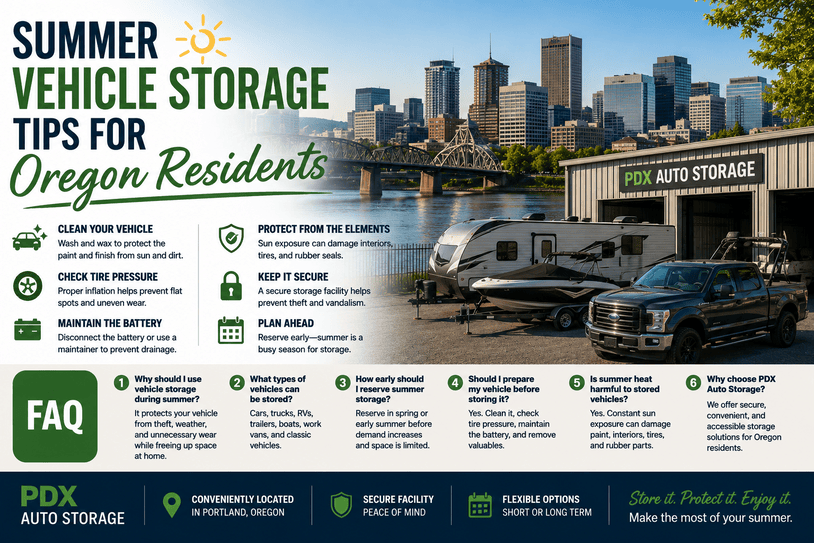
One of the most important summer storage tips is to thoroughly clean your vehicle before storing it. Dirt, dust, bird droppings, and tree sap can damage paint if left untreated for long periods. Washing and waxing your vehicle before storage helps protect the exterior from sun exposure and environmental debris.
Checking tire pressure is another essential step. Vehicles left sitting for extended periods during hot weather may develop flat spots or uneven tire wear. Keeping tires properly inflated helps maintain their condition and reduces long-term damage.
Battery maintenance is also important during summer storage. If your vehicle won’t be used regularly, disconnecting the battery or using a battery maintainer can help prevent drainage and avoid starting problems later on.
For RVs, boats, and trailers, organization and security matter just as much as maintenance. Many Oregon homeowners don’t have enough driveway or garage space to safely store larger vehicles. Using a dedicated storage facility like PDX Auto Storage allows residents to free up space at home while keeping vehicles stored in a secure and accessible location.
Oregon’s summer weather may seem mild compared to other states, but constant UV exposure can still impact vehicle interiors, dashboards, upholstery, and rubber seals. Choosing a quality storage facility helps reduce exposure to the elements and keeps vehicles in better shape throughout the season.
Planning ahead is also key. Summer is one of the busiest seasons for vehicle storage in the Portland area, especially for RVs and recreational vehicles. Reserving space early can help ensure availability before facilities begin filling up.
Whether you’re storing a work truck, camper, trailer, or collector car, taking the right precautions can save money on repairs and maintenance in the long run. With the help of PDX Auto Storage, Oregon residents can enjoy peace of mind knowing their vehicles are stored safely and conveniently during the busy summer months.
Frequently Asked Questions
1. Why should I use vehicle storage during summer?
Vehicle storage helps protect your car, RV, or trailer from theft, weather exposure, overcrowding at home, and unnecessary wear during periods of limited use.
2. What types of vehicles can be stored?
Many storage facilities can accommodate cars, trucks, RVs, trailers, boats, work vans, and classic vehicles.
3. How early should I reserve summer storage?
It’s best to reserve storage space in spring or early summer before demand increases and availability becomes limited.
4. Should I prepare my vehicle before storing it?
Yes. Cleaning the vehicle, checking tire pressure, maintaining the battery, and removing valuables are all recommended steps.
5. Is summer heat harmful to stored vehicles?
Extended sun exposure can damage paint, interiors, tires, and rubber components over time, especially during long storage periods.
6. Why choose PDX Auto Storage?
PDX Auto Storage offers convenient Portland-area storage solutions designed to help residents safely store vehicles during Oregon’s busy summer season.
by PDX Parker | May 2, 2026 | RV Storage, Equipment Storage, Informative
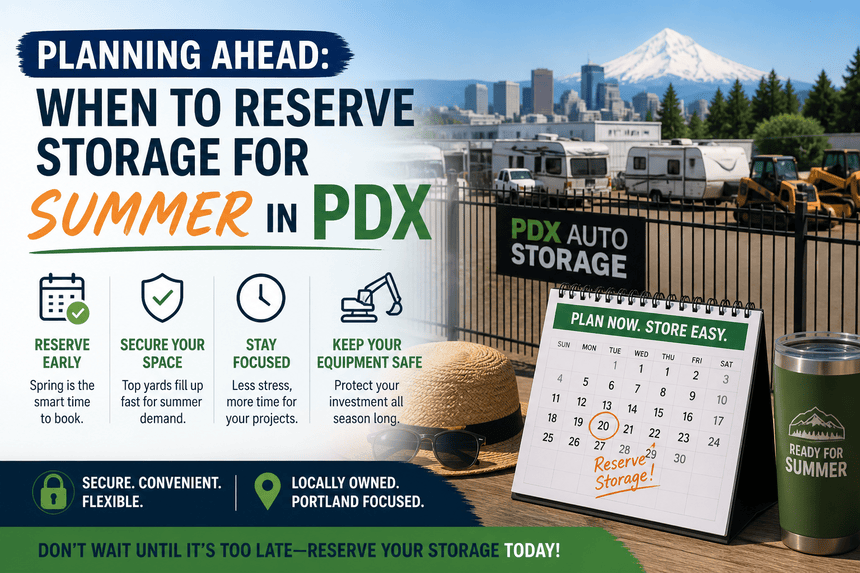
As summer approaches in Portland, demand for equipment and vehicle storage begins to rise—often faster than many contractors and business owners expect. With construction projects ramping up, travel plans increasing, and businesses expanding operations for the busy season, waiting too long to secure storage can lead to limited availability and higher costs. That’s why planning ahead is essential, especially when it comes to reserving space at reliable facilities like PDX Auto Storage. For most Portland contractors, the ideal time to reserve storage for summer is early spring—typically between March and May. During this window, availability is still relatively open, and businesses can lock in the space they need before peak demand hits. By late May and into June, storage yards often begin to fill up quickly as contractors take on more jobs and need extra room for equipment, trailers, and vehicles between projects.
One of the biggest mistakes businesses make is underestimating how much storage they’ll need during the summer months. Projects can overlap, crews expand, and equipment needs fluctuate week to week. Securing storage early allows for flexibility, ensuring there’s enough room to accommodate unexpected growth or last-minute project additions. Facilities like PDX Auto Storage offer scalable options that make it easier to adjust as your workload increases. Planning ahead also helps reduce stress during the busiest time of year. Instead of scrambling to find available storage in June or July, contractors who reserve early can focus on what matters most—completing projects on time and maintaining productivity. Having a designated storage solution in place means less time spent coordinating logistics and more time spent on the job.
Another key factor is location. Portland’s growing population and active construction scene mean that centrally located storage facilities are in especially high demand. Reserving space early ensures you have convenient access to your equipment, reducing travel time between job sites and improving overall efficiency. This is particularly valuable during summer, when tight schedules and long workdays make every minute count. Beyond business needs, summer also brings increased demand for personal storage, including RVs, boats, and extra vehicles. This added competition for space can further limit availability at top facilities. By booking early, you avoid competing with last-minute renters and ensure your spot is secured well before peak season.
In a fast-moving market like Portland, preparation is everything. Whether you’re a contractor managing multiple job sites or a business scaling up for summer demand, reserving storage ahead of time is a smart move. Partnering with a trusted provider like PDX Auto Storage ensures you’ll have the space, flexibility, and peace of mind needed to handle the busy summer months with confidence. Swing by to see us 5327 NE Columbia Blvd or call (503)257-1140
by Scott Schechtel | Apr 5, 2026 | Equipment Storage, RV Storage, Secure Parking ,
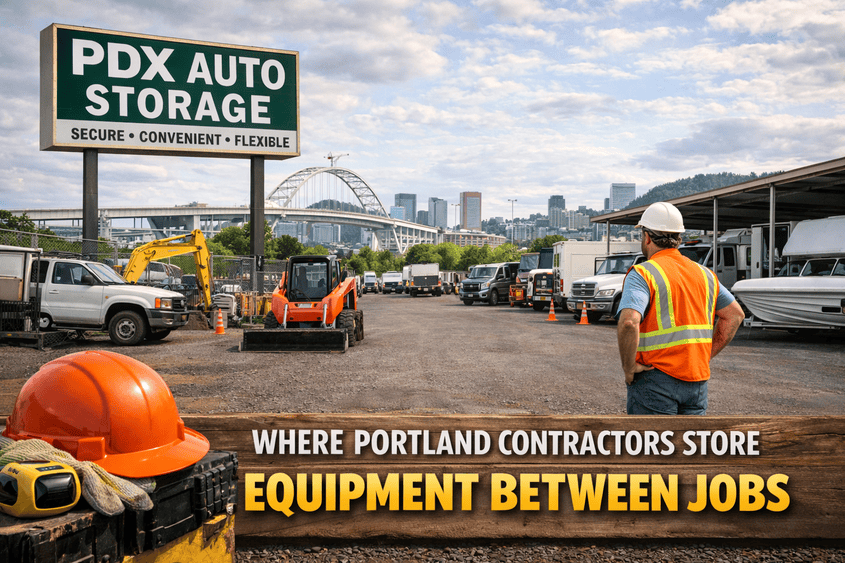
In a busy construction market like Portland, contractors are constantly moving from one job site to the next. Between tight timelines, multiple crews, and shifting project demands, one question always comes up: where should equipment be stored between jobs? The answer for many professionals is simple—secure, off-site storage like PDX Auto Storage. Leaving equipment on-site between projects might seem convenient, but it often creates more problems than it solves. Job sites can be unsecured, cluttered, or shared with other crews, increasing the risk of theft, damage, or misplaced tools. Portland contractors know that even a single lost piece of equipment can delay a project and cut into profits. That’s why more businesses are turning to dedicated storage solutions like PDX Auto Storage to keep their assets protected and organized.
Another challenge contractors face is managing space. When one job wraps up and another hasn’t started yet, equipment needs a temporary home. Storing it at an office or warehouse isn’t always practical, especially for larger machinery, trailers, or work vehicles. Off-site storage yards provide the flexibility contractors need to store everything from small tools to heavy equipment without overcrowding their primary workspace. Location also plays a key role. Portland’s layout means contractors are often traveling across different neighborhoods and job sites throughout the metro area. Having a centrally located storage yard allows for quick access and efficient logistics. With PDX Auto Storage, contractors can easily pick up or drop off equipment as they transition between projects, saving valuable time each day.
Security is another major factor. Equipment left unattended between jobs is vulnerable, especially during busy seasons when multiple projects are underway. A secure storage facility offers controlled access and peace of mind, ensuring that valuable tools and vehicles are safe when not in use. This added layer of protection allows contractors to focus on their work instead of worrying about potential losses. Beyond security and convenience, organization is a huge benefit. Keeping equipment in a designated storage yard helps contractors maintain better inventory control. Instead of tracking tools across multiple job sites, everything is stored in one reliable location. This reduces downtime, improves efficiency, and helps crews stay prepared for upcoming projects.
Ultimately, Portland contractors need storage solutions that match the pace and demands of their work. Whether it’s a short gap between jobs or ongoing project transitions, having a dependable place to store equipment is essential. That’s why so many professionals rely on PDX Auto Storage—a trusted solution that provides the space, security, and flexibility needed to keep projects moving forward without interruption.
by Scott Schechtel | Mar 29, 2026 | Auto / Car / Truck, Equipment Storage, Parking, RV / Travel Trailer, RV Storage
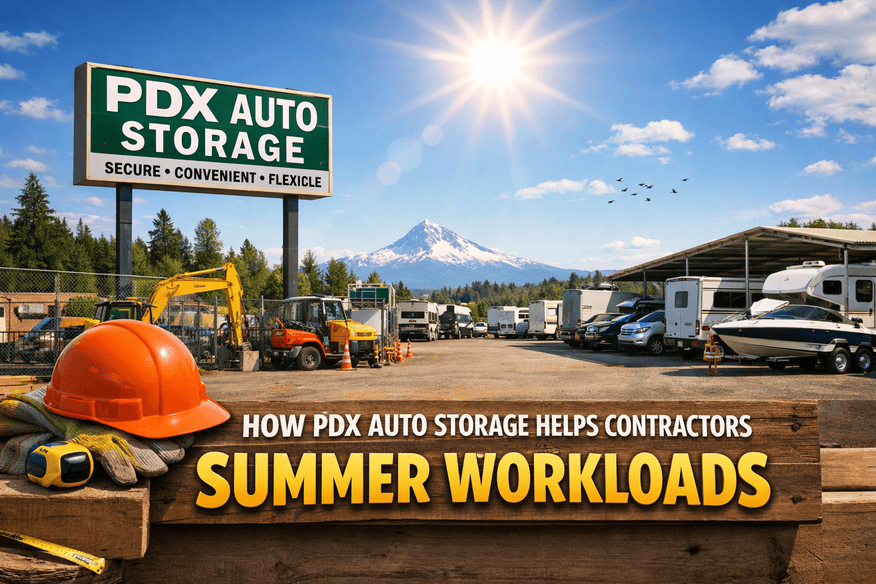
As summer approaches in Portland, construction activity ramps up fast. Longer days, better weather, and tight project deadlines mean contractors are juggling more jobs, more equipment, and more logistics than any other time of year. That’s where PDX Auto Storage becomes an essential partner in keeping operations running smoothly.
During peak summer months, contractors often face one major challenge: space. Job sites can quickly become overcrowded with tools, machinery, and materials, making it harder to stay organized and efficient. By utilizing off-site storage, contractors can free up valuable workspace while still maintaining quick access to the equipment they need. PDX Auto Storage provides a secure and convenient solution that helps streamline day-to-day operations. Another key advantage is flexibility. Summer workloads are unpredictable—one week you may be managing multiple projects across Portland, and the next you’re scaling back or shifting crews. Having access to a reliable storage yard allows contractors to easily store excess equipment, rotate tools between job sites, and adapt without the need for costly expansions or additional leases. This kind of flexibility is critical when timelines are tight and efficiency directly impacts profitability. Learn more about equipment storage in Portland here.
Security is also a major concern during the busy season. With more equipment in use and more movement between job sites, the risk of theft or damage increases. Leaving valuable tools overnight at unsecured locations can lead to costly setbacks. PDX Auto Storage offers a controlled environment designed to keep equipment safe, giving contractors peace of mind while they focus on completing projects. In addition to security and space, off-site storage improves overall organization. When equipment is stored in a centralized location, it’s easier to track inventory, reduce downtime, and ensure crews have exactly what they need each day. Instead of wasting time searching for misplaced tools or transporting equipment across town, contractors can operate with greater precision and speed.
Ultimately, summer is the most important season for many contractors in Portland. Maximizing productivity while minimizing headaches can make all the difference in a successful year. By partnering with PDX Auto Storage, contractors gain the space, security, and flexibility they need to handle increased workloads with confidence and efficiency.