
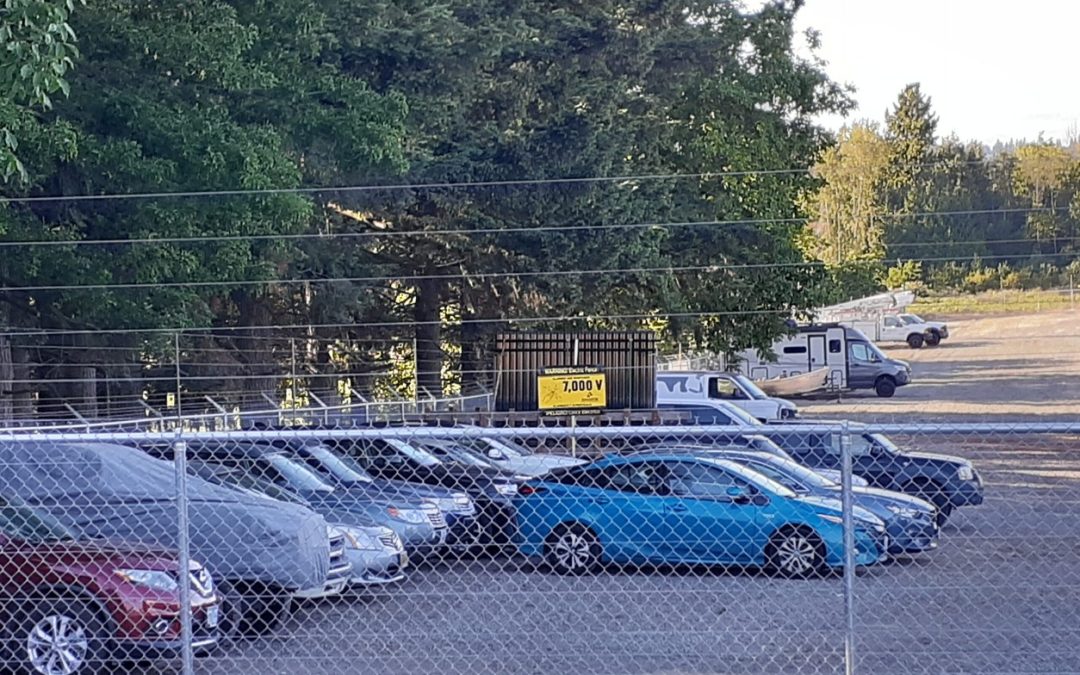
Living in the Pacific Northwest (PNW) means learning to love the rain—but it also means learning how to protect your valuable vehicles from it. With frequent downpours, mist, and year-round humidity, moisture control in storage is a top priority for RV, auto, and boat owners. Without proper precautions, the region’s damp climate can lead to mold, mildew, corrosion, and costly damage. Whether you’re storing your RV for the winter, keeping your car under cover, or tucking your boat away until next season, here’s how to keep moisture under control and protect your investment. At PDX Auto Storage, we understand the importance of the proper winter protection and look forward to helping.
1. Choose the Right Storage Location
The first line of defense against moisture is selecting the right storage environment. If possible, opt for indoor or covered storage—especially for long-term storage. Fully enclosed facilities provide the best protection against constant rain and wind-driven moisture. If indoor storage isn’t available, look for covered outdoor options with paved surfaces and good drainage to prevent pooling water.
When storing at home, park your RV, car, or boat on a concrete or gravel surface rather than grass or dirt, which can hold moisture and cause condensation underneath. Always avoid parking under trees, where dripping water and organic debris can lead to staining and mold growth.
2. Use High-Quality Covers and Ventilation
A water-resistant, breathable cover is essential for outdoor storage in the PNW. Choose a cover specifically designed for your vehicle type—RV, car, or boat—to ensure a snug fit and proper ventilation. Breathable fabrics allow moisture vapor to escape, preventing condensation that leads to mildew. Avoid plastic tarps, which can trap moisture and cause more harm than good.
Ventilation is equally important. For RVs and boats, crack roof vents slightly or install vent covers that allow air circulation without letting rain in. Good airflow helps balance humidity and discourages mold growth in enclosed spaces.
3. Manage Interior Humidity
The damp air of the Pacific Northwest often seeps into stored vehicles, especially boats and RVs with large interiors. Combat this with moisture absorbers or dehumidifiers. Products like DampRid, silica gel packs, or small plug-in dehumidifiers are inexpensive and effective for enclosed spaces.
For long-term RV or boat storage, remove soft furnishings and store them in a dry area, or at least elevate them to allow airflow underneath. Wipe down all interior surfaces and ensure everything is completely dry before sealing up.
4. Seal and Protect Exteriors
Inspect all seams, gaskets, and seals on your RV or boat before storage season begins. Reseal any cracks or gaps where water could enter. Apply a wax or protective coating to painted surfaces, chrome, and fiberglass to create a barrier against moisture. For cars, a thorough wash and wax can help repel rain and reduce oxidation.
For boats, don’t forget to drain all water from the bilge and plumbing systems before covering. Any standing water can become a breeding ground for mold and corrosion.
5. Regular Checks During Storage
Even in storage, your vehicle shouldn’t be forgotten. Periodically check on it—especially after a heavy storm—to ensure no leaks, condensation, or pooling water have developed. A quick inspection can prevent small moisture problems from becoming big, expensive repairs.
Final Thoughts
In the Pacific Northwest, moisture control is the key to preserving your RV, car, or boat year-round. With smart storage choices, breathable covers, and a little ongoing maintenance, you can beat the rain and humidity that define PNW living. Protecting your vehicles now ensures they’ll be ready to hit the road—or the water—when the skies finally clear. Be sure to visit us at our convenient location near the Portland Airport or call (503)257-1140