
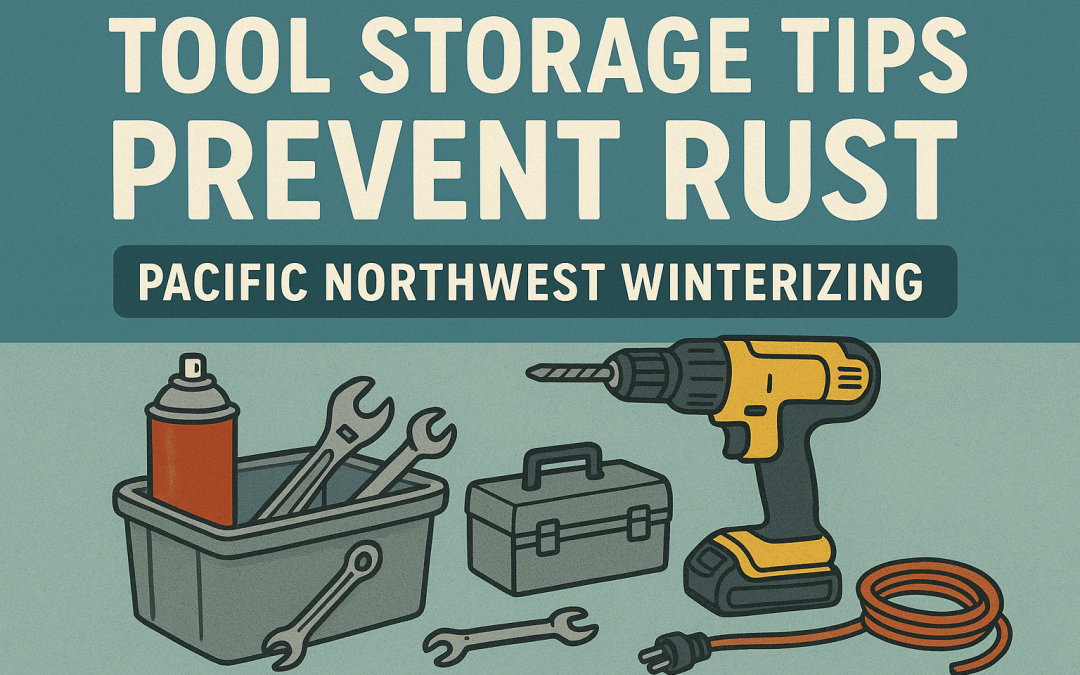
Tool Storage Tips: Prevent Rust in Long-Term Storage (Pacific Northwest Winterizing Guide)
The Pacific Northwest is known for its lush green landscapes, misty mornings, and… relentless moisture. While that damp air is great for forests, it’s brutal on tools. Rust, corrosion, and mildew can destroy expensive equipment if not stored properly through the region’s long, wet winters. Whether you’re stashing power tools, hand tools, or lawn equipment, proper preparation now can save you hundreds later. Here’s how to keep your tools rust-free and ready to go when spring returns.
1. Clean Thoroughly Before Storage
Moisture and dirt are rust’s best friends. Before putting any tool away, give it a good cleaning. Wipe off grease, dirt, and sawdust using a mild degreaser or a simple mix of dish soap and warm water. For power tools, use compressed air to clear vents and moving parts. After cleaning, make sure everything is completely dry before you move on—any leftover moisture will cause trouble once temperatures drop.
2. Apply a Rust Preventive Coating
In the Pacific Northwest, even garage-stored tools can pick up condensation. A thin coat of oil creates a barrier against moisture. For hand tools, apply a light layer of WD-40, mineral oil, or a purpose-made rust inhibitor. For garden tools, wipe metal surfaces with an oily rag and consider a light coating of wax for added protection. Power tools benefit from a silicone-based spray or moisture-resistant lubricant applied to exposed metal parts and screws.
3. Choose a Dry Storage Location
Garages and sheds often trap humidity during winter. If possible, store your tools in a heated or insulated space. For unheated areas, invest in a small dehumidifier or moisture-absorbing products like silica gel packs or DampRid containers. You can also hang tools on pegboards instead of leaving them on cold concrete surfaces, which tend to collect condensation.
4. Use Airtight Storage Solutions
Plastic bins with tight-fitting lids or weather-sealed toolboxes work wonders for long-term protection. Line the bottom with desiccant packs or charcoal briquettes to absorb excess moisture. For smaller hand tools, wrap them in wax paper or VCI (vapor corrosion inhibitor) paper before sealing them away. Power tools can be placed in their original cases with a moisture absorber inside.
5. Keep Air Circulating
If your storage area is enclosed, air stagnation can lead to damp spots. Keep air moving with a small fan on a timer or periodically open doors and vents on dry days. This helps prevent condensation from forming on tool surfaces—especially in the Pacific Northwest where cold nights and warmer days create daily humidity swings.
6. Don’t Forget Batteries and Cords
For cordless tools, remove batteries and store them indoors at room temperature. Cold and damp conditions shorten battery life. Check cords and plugs for wear, and wrap them loosely to prevent cracking from temperature fluctuations.
7. Inspect Mid-Winter
Set a reminder to check your tools at least once during the winter. A quick inspection helps you catch any early signs of rust or dampness before they become serious problems.
By taking these steps, your tools will stay dry, rust-free, and ready to perform when the Pacific Northwest rain finally gives way to sunshine. Proper winterizing isn’t just smart maintenance—it’s an investment in keeping your gear in top shape for years to come.