by Scott Schechtel | Mar 14, 2026 | Equipment Storage, Parking, RV Storage
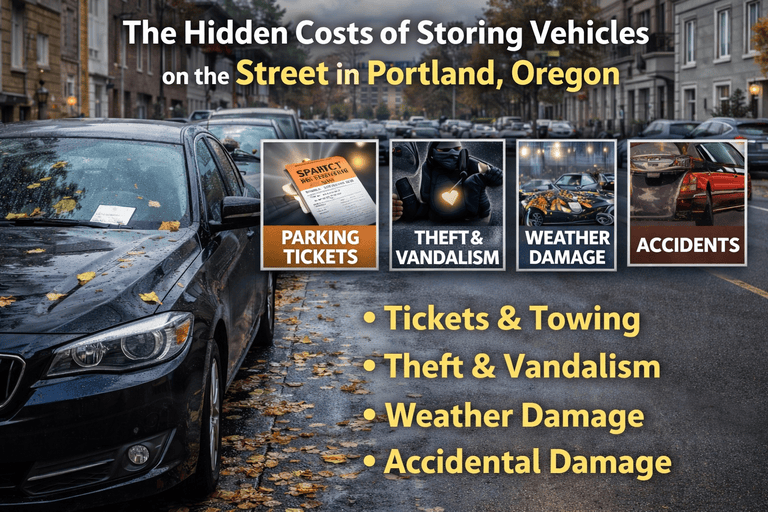
Parking on the street may seem convenient for many Portland residents, but leaving a vehicle parked outside for extended periods can come with hidden costs that many drivers overlook. While it may appear to be a free or low-cost option, street parking in Portland often exposes vehicles to financial risks, environmental damage, and ongoing maintenance issues that can add up over time.
Parking Tickets and City Enforcement
One of the most immediate costs of street parking in Portland is the potential for parking tickets. Many neighborhoods operate under strict time limits, permit zones, and residential parking regulations. If a vehicle is left parked for too long without being moved, it may be flagged as abandoned or in violation of local parking rules.
These fines can accumulate quickly, especially if the vehicle remains parked for multiple days or weeks. In some cases, vehicles may even be towed, resulting in towing and impound fees that can easily exceed several hundred dollars.
Increased Risk of Theft and Vandalism
Urban street parking also increases exposure to theft and vandalism. Portland, like many growing cities, has experienced rising concerns around vehicle break-ins and catalytic converter theft. Vehicles parked overnight or left unattended for long periods are often more vulnerable targets. Even minor vandalism—such as broken windows, damaged mirrors, or scratched paint—can lead to costly repairs. These incidents may also affect insurance premiums if claims are filed.
Weather and Environmental Damage
Portland’s climate is another major factor to consider. With months of rain, falling leaves, and constant moisture, vehicles parked on the street are exposed to conditions that can slowly degrade their appearance and mechanical components.
Tree sap, bird droppings, moss, and road debris can damage paint and finishes. Water accumulation can also lead to rust development over time, especially around wheel wells, undercarriages, and door seals. Vehicles that sit outdoors without regular use are particularly vulnerable to these environmental effects.
Accidental Damage from Traffic
Street-parked vehicles also face the constant risk of accidental damage from passing traffic. Tight parking spaces, cyclists, delivery trucks, and distracted drivers can easily lead to door dings, bumper scrapes, or more serious collisions.
Unfortunately, hit-and-run incidents are not uncommon in busy urban areas, leaving owners responsible for repairs without knowing who caused the damage.
Maintenance and Depreciation
When vehicles are exposed to the elements and urban conditions daily, they tend to require more frequent cleaning, maintenance, and repairs. Over time, this increased wear and tear can reduce resale value and shorten the lifespan of the vehicle.
Considering Safer Alternatives
While street parking will always be a necessity for some Portland residents, it’s important to recognize the hidden costs that come with it. For vehicles that aren’t used every day—such as classic cars, secondary vehicles, or seasonal vehicles—secure off-street storage can be a smarter long-term solution. Protecting your vehicle from unnecessary exposure can ultimately save money, preserve value, and provide peace of mind in a busy urban environment like Portland.
by PDX Parker | Feb 7, 2026 | Auto / Car / Truck, Equipment Storage, RV Storage
For vehicle owners in Portland, protecting a car, truck, or recreational vehicle goes beyond simply finding a place to park. With the city’s wet climate, urban density, and increasing vehicle theft rates, choosing between storing your vehicle in a home garage or using professional auto storage is a decision worth careful consideration.
Home garages are often the first option people consider. They offer convenience, easy access, and no monthly fee beyond household expenses. However, garages come with limitations—especially in Portland. Moisture is one of the biggest concerns. Constant rain and humidity can lead to rust, mold, electrical issues, and deterioration of interior materials if the garage isn’t climate controlled. Many residential garages also lack proper ventilation and humidity management, which can accelerate long-term damage. Security is another factor. While a locked garage feels safe, it’s often not as secure as people assume. Break-ins through garage doors are common, and residential areas may lack surveillance or on-site monitoring. In some neighborhoods, garages are also shared spaces or detached from the home, making them easier targets.
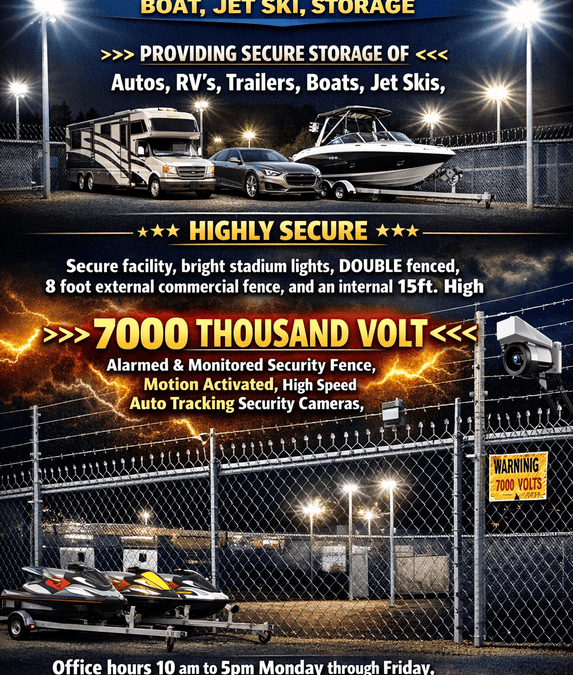
Professional auto storage facilities, on the other hand, are specifically designed to protect vehicles from environmental and security risks. In Portland, reputable facilities offer enclosed units that shield vehicles from rain, temperature swings, and debris. Many provide climate-controlled storage, which is particularly valuable for classic cars, luxury vehicles, or seasonal rides that sit unused for extended periods. Security is where professional storage truly stands out. Gated access, surveillance cameras, on-site staff, and controlled entry systems significantly reduce the risk of theft or vandalism. Unlike a home garage, these facilities are purpose-built to safeguard vehicles around the clock.
Another advantage is space and flexibility. Portland’s housing market often means limited garage space, especially in urban or multi-unit residences. Professional storage frees up your garage for daily use while keeping secondary vehicles protected and accessible when neededOf course, professional storage comes at a cost, while a garage is technically “free.” But when you factor in potential repair costs from moisture damage, theft, or improper storage, professional auto storage can be a smart lo. ng-term investment—especially for high-value or infrequently used vehicles.
So which option protects your vehicle better? For short-term parking and daily drivers, a well-maintained garage may be sufficient. But for long-term storage, valuable vehicles, or owners seeking maximum protection in Portland’s challenging climate, professional auto storage offers superior security, environmental protection, and peace of mind. Choosing the right solution ultimately depends on your vehicle’s value, how often you use it, and how much protection you want while it’s off the road.

by PDX Parker | Jan 24, 2026 | Boat, Equipment Storage, RV / Travel Trailer, RV Storage
Owning an RV in Portland offers incredible freedom. From weekend trips to the Oregon Coast to extended adventures through the Pacific Northwest, RVs make it easy to escape the city while keeping the comforts of home close by. However, storing an RV in an urban environment like Portland comes with unique challenges that make secure, professional storage more important than ever.
Urban Density Creates Real Storage Risks
Portland’s neighborhoods are dense, with narrow streets, limited driveway space, and strict parking regulations. Many residential areas prohibit long-term RV parking, and HOAs often enforce additional restrictions. Even when street parking is technically allowed, leaving an RV parked curbside for extended periods increases the risk of vandalism, theft, and accidental damage from passing vehicles or cyclists.
Urban environments naturally attract more foot traffic, which can make RVs a target for break-ins or tampering. Catalytic converter theft, battery theft, and unauthorized access are far more common in cities than rural areas, making secure storage a necessity rather than a luxury.
Weather Exposure Is Amplified in the City
Portland’s climate adds another layer of concern. Heavy rain, persistent moisture, falling leaves, and debris from nearby trees can all accelerate wear and tear on an RV. In urban settings, RVs are often parked near buildings or under trees, increasing exposure to dripping water, moss buildup, and clogged roof drains.
Secure storage facilities are designed to minimize these risks by offering controlled environments, proper drainage, and regular monitoring—protections that are difficult to replicate at home or on the street.
Protecting a Major Investment
An RV is a significant financial investment, and improper storage can quietly erode its value. Roof seals, slide-outs, tires, and exterior finishes all suffer when exposed to prolonged moisture and pollution common in city environments. Small issues, when left unnoticed, can turn into expensive repairs. Secure RV storage helps preserve your RV’s condition by reducing exposure to environmental damage and allowing owners peace of mind knowing their vehicle is protected when not in use.
Convenience Meets Security
Beyond protection, professional RV storage also adds convenience for Portland owners. Easy access, wide drive aisles, and secure entry systems make it simpler to pick up and drop off your RV without navigating tight residential streets. Many facilities also offer flexible access hours, making spontaneous trips easier to plan.
A Smarter Choice for Urban RV Owners
In cities like Portland, secure RV storage isn’t just about space—it’s about safety, longevity, and compliance with local regulations. As urban areas continue to grow and parking becomes more limited, professional storage provides a reliable solution that protects both your RV and your peace of mind. For RV owners navigating city life while embracing adventure, secure storage is one of the smartest decisions you can make.

by PDX Parker | Jan 11, 2026 | RV Storage, Equipment Storage, Informative, RV / Travel Trailer
Whether you’re a contractor, outdoor enthusiast, small business owner, or seasonal worker in Portland, Oregon, staying organized can make a noticeable difference in how efficiently you work and how much stress you carry day to day. Between unpredictable weather, limited space, and busy schedules, having your equipment organized for quick access is not just a convenience—it’s a necessity.
Portland’s climate alone creates unique challenges. Frequent rain means equipment needs to be stored cleanly, dry, and in a way that allows you to grab what you need without digging through clutter. The first step in organizing your equipment is sorting it by function and frequency of use. Items you use daily or weekly should always be the easiest to access, while seasonal or rarely used tools can be stored farther back or on higher shelving.
Labeling is another simple but powerful strategy. Clear bins with weather-resistant labels allow you to see what’s inside without opening every container. For larger equipment, such as landscaping tools, power tools, or recreational gear, wall-mounted racks and vertical storage can save valuable floor space. This approach is especially helpful in Portland, where garages and workspaces often double as storage for bikes, kayaks, and camping gear.
Another key factor is creating dedicated zones. Group similar items together—construction tools in one area, outdoor recreation gear in another, and business inventory in a separate section. This zoning system helps prevent wasted time and reduces the chance of misplacing important items. When every piece of equipment has a designated home, cleanup becomes faster and more consistent.
For many Portland residents and business owners, off-site storage is an effective solution when space becomes limited. A secure, well-organized storage unit allows you to keep your equipment protected while maintaining easy access. Facilities like PDX Auto Storage provide an ideal option for storing vehicles, trailers, and specialized equipment that doesn’t need to be on-site every day. Having a reliable storage location can significantly streamline your workflow.
Routine maintenance of your organizational system is just as important as setting it up. Schedule periodic check-ins to reassess what you use most often and adjust your layout accordingly. As projects change with the seasons—a common reality in Portland—your storage setup should evolve as well. Rotating equipment based on seasonal demand ensures that you’re always prepared without unnecessary clutter.
Security and accessibility should also go hand in hand. Storing valuable equipment in a controlled, monitored environment helps protect your investment. PDX Auto Storage offers peace of mind for Portland-area professionals and hobbyists who want their equipment safe, organized, and ready to go when needed.
Ultimately, organizing your equipment for quick access saves time, reduces frustration, and improves productivity. Whether you’re managing a growing business or simply trying to keep your gear in order, a thoughtful storage strategy makes all the difference. With smart planning and dependable solutions like PDX Auto Storage, Portland residents can stay organized, efficient, and ready for whatever the day brings.

by PDX Parker | Dec 21, 2025 | Boat, Equipment Storage, RV Storage, Special Deals
Hull damage is one of the most common — and expensive — issues boat owners face during long-term storage. Whether you’re storing a fishing boat, wake boat, or personal watercraft, improper storage conditions can lead to cracks, warping, blistering, and cosmetic damage that reduces both performance and resale value. In a climate like Portland, Oregon, where rain, moisture, and temperature fluctuations are the norm, taking the right precautions is especially important.
One of the first steps to avoiding hull damage is choosing the right storage environment. Outdoor storage without adequate protection exposes your hull to constant moisture, UV rays, and debris. Over time, this can weaken fiberglass, fade gel coats, and cause micro-cracks. Covered or indoor storage is always preferable, especially in the Pacific Northwest. Facilities like PDX Auto Storage offer controlled, secure storage options that protect boats and other vehicles from Portland’s unpredictable weather.
Proper support and positioning during storage is another critical factor. Boats stored on trailers should be evenly supported to prevent pressure points that can cause hull deformation. Make sure the weight is distributed correctly and that bunks or rollers are aligned with the hull’s structure. For boats stored off-trailer, use manufacturer-recommended stands and check them periodically to ensure they haven’t shifted.
Moisture control is essential in Portland’s damp climate. Excess moisture can seep into small cracks and cause blistering or freeze damage during colder months. Before storage, thoroughly clean and dry the hull. Using a breathable cover and moisture-absorbing products can significantly reduce condensation buildup. Indoor storage at facilities like PDX Auto Storage further minimizes moisture exposure, giving boat owners peace of mind year-round.
Routine inspections during storage are often overlooked but can prevent small issues from becoming major repairs. Check for signs of stress cracks, soft spots, or standing water around the hull. Addressing minor problems early can save thousands in repair costs later.
Finally, always prepare the hull properly before storage. Waxing the hull adds a protective barrier against moisture and contaminants, while removing barnacles, algae, or debris prevents long-term surface damage.
For boat owners in Portland, Oregon, protecting your investment starts with smart storage choices. By selecting a secure, weather-protected facility like PDX Auto Storage and following best practices for hull care, you can avoid costly damage and keep your boat in excellent condition for years to come.
Swing by and visit us at 5327 NE Columbia Blvd us or call (503)257-1140

by PDX Parker | Dec 4, 2025 | Equipment Storage, Informative, RV Storage
Storing your car for weeks or months might seem simple—park it, lock it, and leave it. But in a climate like Portland, Oregon, where moisture, temperature swings, and long rainy seasons are the norm, storing a vehicle without preparation can cause unexpected and expensive problems. One of the easiest and most effective ways to protect your car during downtime is by using a fuel stabilizer. If you live anywhere in the Portland metro area—from Beaverton and Gresham to Vancouver, WA—this small step can save you from major headaches when it’s time to start your car again.
Why Portland’s Climate Makes Fuel Stabilizer Essential
Portland’s damp, cool environment creates the perfect conditions for fuel degradation. Modern gasoline begins breaking down in as little as 30 days, and ethanol-blended fuels—which are standard across Oregon—absorb moisture from the air. That’s not great news when your vehicle sits through a few months of classic Portland drizzle.
When untreated fuel absorbs moisture, it can cause:
-
Corrosion in your fuel system
-
Phase separation, where water and ethanol split from the gasoline
-
Gummy deposits that clog injectors and fuel lines
-
Hard starts or no-start issues when you take your car out of storage
If your vehicle is spending time in a garage in NE Portland, a storage unit in Tigard, or sitting covered in a driveway in Milwaukie, untreated fuel will deteriorate faster in our region’s humidity.
What Fuel Stabilizer Actually Does
Fuel stabilizer works by slowing the oxidation process and preventing the chemical breakdown of gasoline. It essentially “coats” the fuel and keeps it fresh for months—sometimes up to two years, depending on the brand.
Here’s what it protects against:
-
Moisture absorption
-
Rust inside your fuel tank
-
Fuel separation and varnish buildup
-
Rough idle, misfires, and starting issues
In a city where cold mornings, wet conditions, and long-term parking are common, this is a lifesaver for any vehicle not driven regularly.
Who in Portland Should Be Using Fuel Stabilizer?
Fuel stabilizer isn’t just for classic car owners—though Portland has plenty of those. You should use it if you:
-
Store a second vehicle or seasonal car in SE or NW Portland
-
Leave a car unused during travel, deployment, or work-related trips
-
Own a camper, RV, or boat used seasonally
-
Park a vehicle at PDX long-term
-
Drive infrequently (common for downtown residents using rideshare and public transit)
Even motorcycles, scooters, and lawn equipment benefit from stabilized fuel—especially if they sit through Portland’s rainy winters.
How to Use It (Quick and Simple)
1. Fill your gas tank completely (reduces air and moisture).
2. Add the correct amount of fuel stabilizer—most bottles list ratios.
3. Run the engine for 5–10 minutes to circulate it through the system.
That’s it. Your fuel stays fresh, your lines stay clean, and your engine stays protected until you’re ready to get back on the road. For the best fuel stabilizer in Portland Oregon, check out STA-BIL (often misspelled as “Stabill”) is America’s leading brand of fuel additive
Final Thoughts
Storing a car in Portland is different from storing one in a dry, sunny climate. The Pacific Northwest moisture that we love (or tolerate!) can quickly turn your fuel tank into a problem area. Using a fuel stabilizer is a cheap, simple way to protect your car during storage—keeping it ready to start smoothly, even after months of typical Portland weather.
If your vehicle is headed into downtime, treat it right. A small bottle of fuel stabilizer today can prevent a big repair bill tomorrow.
Swing by the office and meet the crew.