by PDX Parker | Dec 21, 2025 | Boat, Equipment Storage, RV Storage, Special Deals
Hull damage is one of the most common — and expensive — issues boat owners face during long-term storage. Whether you’re storing a fishing boat, wake boat, or personal watercraft, improper storage conditions can lead to cracks, warping, blistering, and cosmetic damage that reduces both performance and resale value. In a climate like Portland, Oregon, where rain, moisture, and temperature fluctuations are the norm, taking the right precautions is especially important.
One of the first steps to avoiding hull damage is choosing the right storage environment. Outdoor storage without adequate protection exposes your hull to constant moisture, UV rays, and debris. Over time, this can weaken fiberglass, fade gel coats, and cause micro-cracks. Covered or indoor storage is always preferable, especially in the Pacific Northwest. Facilities like PDX Auto Storage offer controlled, secure storage options that protect boats and other vehicles from Portland’s unpredictable weather.
Proper support and positioning during storage is another critical factor. Boats stored on trailers should be evenly supported to prevent pressure points that can cause hull deformation. Make sure the weight is distributed correctly and that bunks or rollers are aligned with the hull’s structure. For boats stored off-trailer, use manufacturer-recommended stands and check them periodically to ensure they haven’t shifted.
Moisture control is essential in Portland’s damp climate. Excess moisture can seep into small cracks and cause blistering or freeze damage during colder months. Before storage, thoroughly clean and dry the hull. Using a breathable cover and moisture-absorbing products can significantly reduce condensation buildup. Indoor storage at facilities like PDX Auto Storage further minimizes moisture exposure, giving boat owners peace of mind year-round.
Routine inspections during storage are often overlooked but can prevent small issues from becoming major repairs. Check for signs of stress cracks, soft spots, or standing water around the hull. Addressing minor problems early can save thousands in repair costs later.
Finally, always prepare the hull properly before storage. Waxing the hull adds a protective barrier against moisture and contaminants, while removing barnacles, algae, or debris prevents long-term surface damage.
For boat owners in Portland, Oregon, protecting your investment starts with smart storage choices. By selecting a secure, weather-protected facility like PDX Auto Storage and following best practices for hull care, you can avoid costly damage and keep your boat in excellent condition for years to come.
Swing by and visit us at 5327 NE Columbia Blvd us or call (503)257-1140

by PDX Parker | Dec 12, 2025 | Equipment Storage, Informative, Secure Parking ,
Securing Trailers & Equipment Against Theft: Protect Your Investment in Portland, Oregon
In Portland, Oregon, the rise in trailer and equipment theft has become a serious concern for contractors, small business owners, landscapers, and everyday residents who rely on their gear to get work done. With the increasing value of tools, vehicles, and mobile equipment, thieves are targeting anything that isn’t fully secured — often in broad daylight. Whether you store your trailer on a job site, at home, or in a commercial yard, protecting your property is no longer optional. It’s essential.
Why Theft Is Rising in Portland
Portland’s rapid growth has brought in more opportunity, but also more opportunistic crime. Trailers loaded with tools, construction equipment, generators, and ATVs can all be stolen within minutes if not properly protected. Even empty trailers have become valuable targets due to rising resale demand and the ease of selling parts.
In urban areas like SE Portland, Gresham, and even the industrial pockets near the airport, thieves often scope out equipment left overnight. This is why more residents and business owners are taking steps to secure their investments before it’s too late.
Best Practices for Trailer & Equipment Security
1. Upgrade Your Locks
Standard coupler locks are easy for thieves to defeat. Instead, invest in:
- Heavy-duty steel coupler locks
- Wheel locks or tire boots
- Hitch locks designed to prevent quick towing
High-security locks slow criminals down — and in many cases, make them move on to an easier target.
2. Use GPS Tracking Devices
A hidden GPS tracker is one of the smartest moves you can make. If your trailer or equipment is stolen, police can recover it quickly and safely. Modern trackers offer real-time movement alerts, geofencing, and long battery life.
3. Improve Your Storage Strategy
The location where you store your trailer matters just as much as how you lock it. Whenever possible:
- Park in well-lit, visible areas
- Block trailers in with other vehicles
- Store equipment indoors or behind locked gates
For businesses with multiple trailers or valuable gear, upgrading to secure commercial storage is often the best solution.
Secure Storage: The PDX Auto Storage Advantage
If you want maximum protection, PDX Auto Storage in Portland Oregon offers a professional, secure environment specifically designed for vehicles, equipment, and trailers that can’t be left out in the open. Their facility features gated access, 24/7 surveillance, and monitored entry points — drastically reducing theft risk. For contractors, landscapers, mobile detailers, and small businesses across the Portland metro area, PDX Auto Storage provides peace of mind knowing your equipment is protected around the clock. For more storage tips, click here
4. Mark and Register Your Equipment
Engrave identifying details onto equipment and keep serial numbers on file. Thieves avoid items that are easily traced.
5. Stay Alert on Job Sites
Many thefts in Portland occur while workers are on site. Assign someone to monitor equipment, especially if multiple crews are involved.
Final Thoughts
Trailer and equipment theft in Portland Oregon isn’t going away anytime soon — but you can drastically reduce your risk with the right security measures. Upgrade your locks, invest in GPS tracking, store gear in visible or controlled environments, and consider secure storage options like PDX Auto Storage for maximum protection. A few precautions today can save you thousands tomorrow and keep your business running smoothly.
Swing by and visit us at 5327 NE Columbia Blvd us or call (503)257-1140

by PDX Parker | Dec 4, 2025 | Equipment Storage, Informative, RV Storage
Storing your car for weeks or months might seem simple—park it, lock it, and leave it. But in a climate like Portland, Oregon, where moisture, temperature swings, and long rainy seasons are the norm, storing a vehicle without preparation can cause unexpected and expensive problems. One of the easiest and most effective ways to protect your car during downtime is by using a fuel stabilizer. If you live anywhere in the Portland metro area—from Beaverton and Gresham to Vancouver, WA—this small step can save you from major headaches when it’s time to start your car again.
Why Portland’s Climate Makes Fuel Stabilizer Essential
Portland’s damp, cool environment creates the perfect conditions for fuel degradation. Modern gasoline begins breaking down in as little as 30 days, and ethanol-blended fuels—which are standard across Oregon—absorb moisture from the air. That’s not great news when your vehicle sits through a few months of classic Portland drizzle.
When untreated fuel absorbs moisture, it can cause:
-
Corrosion in your fuel system
-
Phase separation, where water and ethanol split from the gasoline
-
Gummy deposits that clog injectors and fuel lines
-
Hard starts or no-start issues when you take your car out of storage
If your vehicle is spending time in a garage in NE Portland, a storage unit in Tigard, or sitting covered in a driveway in Milwaukie, untreated fuel will deteriorate faster in our region’s humidity.
What Fuel Stabilizer Actually Does
Fuel stabilizer works by slowing the oxidation process and preventing the chemical breakdown of gasoline. It essentially “coats” the fuel and keeps it fresh for months—sometimes up to two years, depending on the brand.
Here’s what it protects against:
-
Moisture absorption
-
Rust inside your fuel tank
-
Fuel separation and varnish buildup
-
Rough idle, misfires, and starting issues
In a city where cold mornings, wet conditions, and long-term parking are common, this is a lifesaver for any vehicle not driven regularly.
Who in Portland Should Be Using Fuel Stabilizer?
Fuel stabilizer isn’t just for classic car owners—though Portland has plenty of those. You should use it if you:
-
Store a second vehicle or seasonal car in SE or NW Portland
-
Leave a car unused during travel, deployment, or work-related trips
-
Own a camper, RV, or boat used seasonally
-
Park a vehicle at PDX long-term
-
Drive infrequently (common for downtown residents using rideshare and public transit)
Even motorcycles, scooters, and lawn equipment benefit from stabilized fuel—especially if they sit through Portland’s rainy winters.
How to Use It (Quick and Simple)
1. Fill your gas tank completely (reduces air and moisture).
2. Add the correct amount of fuel stabilizer—most bottles list ratios.
3. Run the engine for 5–10 minutes to circulate it through the system.
That’s it. Your fuel stays fresh, your lines stay clean, and your engine stays protected until you’re ready to get back on the road. For the best fuel stabilizer in Portland Oregon, check out STA-BIL (often misspelled as “Stabill”) is America’s leading brand of fuel additive
Final Thoughts
Storing a car in Portland is different from storing one in a dry, sunny climate. The Pacific Northwest moisture that we love (or tolerate!) can quickly turn your fuel tank into a problem area. Using a fuel stabilizer is a cheap, simple way to protect your car during storage—keeping it ready to start smoothly, even after months of typical Portland weather.
If your vehicle is headed into downtime, treat it right. A small bottle of fuel stabilizer today can prevent a big repair bill tomorrow.
Swing by the office and meet the crew.
by PDX Parker | Nov 18, 2025 | Boat, Equipment Storage, RV / Travel Trailer
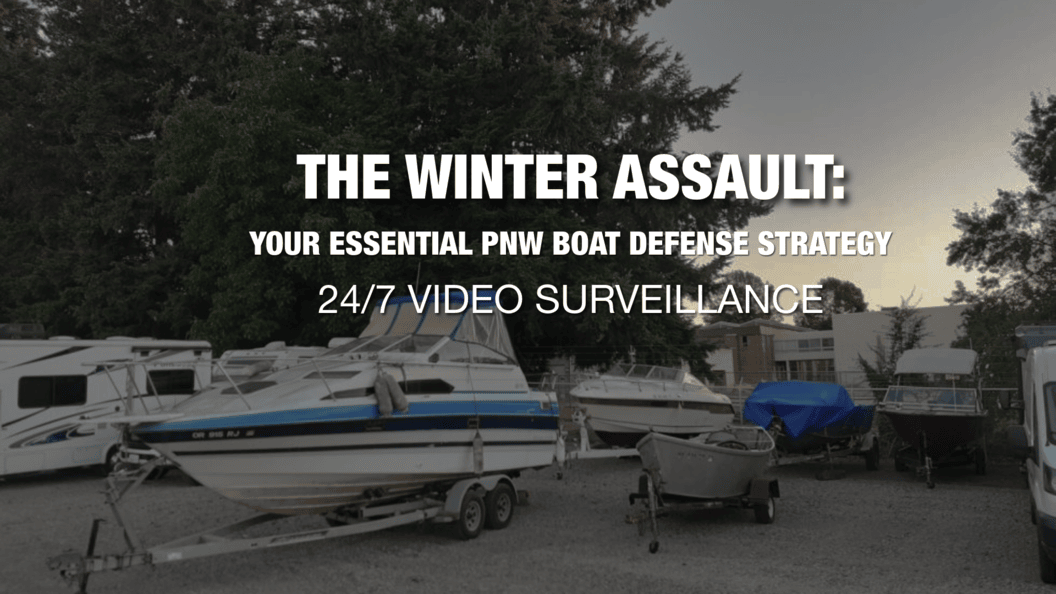
Protecting Your Boat and Peace of Mind with PDX Auto Storage
At PDX Auto Storage, we know that owning a boat is both a joy and a responsibility. Choosing where and how to store it during the off-season can make all the difference in how ready you are when the next boating season arrives.
The Reality of Pacific Northwest Weather
From heavy rains to freezing nights, Oregon and Washington winters can be tough on exposed boats.
Moisture leads to:
- Mold and mildew in upholstery and cabins.
- Corrosion on electrical systems and engine parts.
- Warping and paint damage from freeze–thaw cycles.
Even if you keep your boat on a trailer, leaving it uncovered or parked curbside invites weather damage, vandalism, and costly repairs come spring.
Why Secure Off-Season Storage Is the Smart Choice
- Protection from the Elements
A designated storage space keeps your boat elevated, covered, and away from pooling water, ensuring seals, bearings, and hull finishes stay intact through months of rain.
- Enhanced Security
At PDX Auto Storage, we take safety seriously — our facility is double-fenced, well-lit, and monitored 24/7. Whether you’re storing a small fishing boat or a full-size cruiser, you’ll know it’s protected from theft or tampering.
- Convenience Near Portland International Airport (PDX)
Located just minutes from the airport and major freeways, our storage lot is perfect for travelers or weekend boaters who want quick access without city congestion.
- Peace of Mind for the Off-Season
Knowing your investment is safe means you can focus on other winter projects — or start planning next summer’s launch date — without worrying about your boat deteriorating in the driveway.
Tips for Pre-Storage Boat Prep
Before bringing your boat to storage:
- Drain water from the bilge, tanks, and lines
- Add fuel stabilizer and run the engine briefly to circulate it.
- Disconnect batteries and cover exposed electrical points.
- Clean and dry all surfaces to prevent mold growth.
- Use a breathable, waterproof cover that fits snugly.
Our team is happy to recommend winterization resources and local service partners to help ensure your boat is storage-ready before drop-off.
Locally Owned. Northwest Proud.
For over 27 years, PDX Auto Storage has been part of Portland’s local outdoor and travel community. We’ve helped countless boat, RV, and auto owners protect their investments through Oregon’s unpredictable seasons. When you choose a secure, locally owned facility, you’re not just buying space — you’re gaining a trusted partner who understands the Pacific Northwest lifestyle and what it takes to keep your boat adventure-ready year after year.
Reserve Your Boat Storage Space Today
Spaces fill up fast before the rainy season. Whether you’re storing for a few months or the entire winter, we make the process easy and transparent. Visit www.pdxautostorage.com to check availability and reserve your spot today.
PDX Auto Storage — Secure, Affordable, and Just Minutes from the Airport.nServing Portland for 27 years with trusted vehicle and boat storage solutions.
by PDX Parker | Nov 1, 2025 | Airport Parking Rates, Airport Parking, Airport Parking Garage Airport Parking Rates Prices, Airport Parking Prices, Economy Parking, Airport Parking, Secure Airport Parking Lot
Personalized Service. Professional Care. Local Trust.
When it comes to parking near Portland International Airport (PDX), travelers have plenty of options — but few that combine security, service, and simplicity the way PDX Auto Storage does.
If you’ve ever rushed to catch a flight, juggled luggage, or returned from a trip to find your car covered in dust or tree sap, you already know: not all parking experiences are created equal. That’s where our white-glove approach to short-term vehicle storage changes everything.
The Problem with Traditional Airport Parking
Sure, airport lots are convenient — but they’re often crowded, expensive, and impersonal. Vehicles are packed bumper-to-bumper under open skies, and you’re lucky if you can find an attendant when you need help.
Worse, your car is left exposed to the elements and traffic for days or weeks, often without consistent security or surveillance. For travelers who value their time and investment, that’s not good enough.
IMAGE
The PDX Auto Storage Difference
At PDX Auto Storage, we treat every vehicle like it’s our own. Whether you’re traveling for a few days or a few weeks, our short-term storage service near Portland International Airport gives you the peace of mind and personal attention that traditional airport parking simply can’t match.
Here’s what sets us apart:
White-Glove Valet Service
Skip the parking chaos entirely. Our team will greet you, help you unload, and ensure your car is safely parked in our secure lot. When you return, your vehicle will be ready and waiting — clean, accessible, and exactly where you left it.
Professional-Grade Security
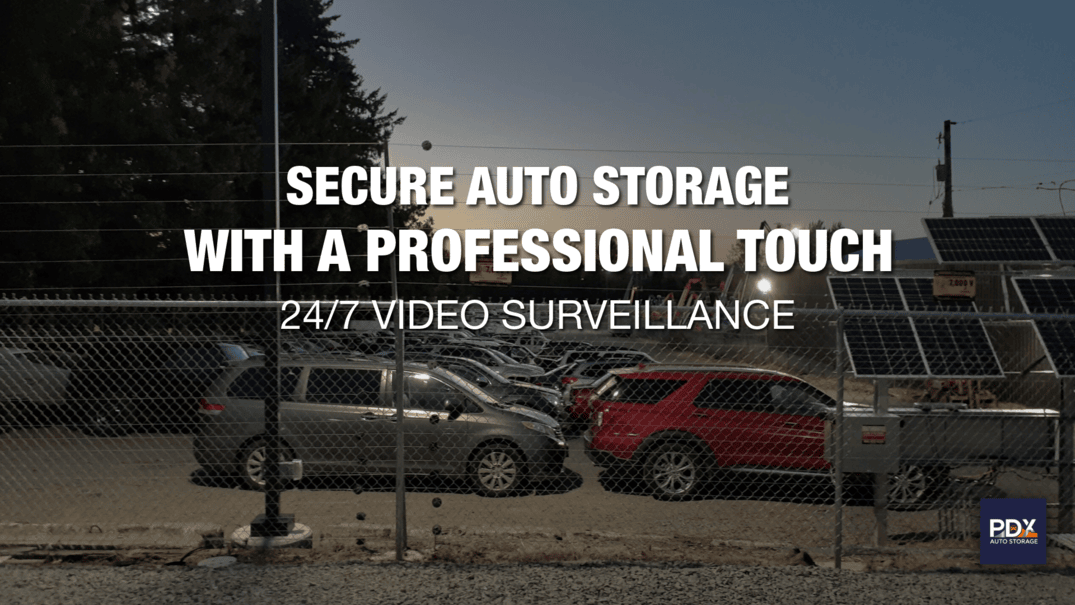
Our facility features double-fenced protection, 24/7 video monitoring, and bright LED lighting across the property. You can rest easy knowing your vehicle is under continuous watch while you’re away.
Minutes from the Airport
Located just a few miles from Portland International Airport, PDX Auto Storage offers quick access for travelers while avoiding the congestion (and pricing) of on-site parking. You’ll save time and skip the stress — we’re the smart, convenient local alternative.
Service-Oriented and Client-Focused
We’re not just in the business of storing cars — we’re in the business of taking care of people. Every client receives personalized service, flexible options, and transparent pricing. Need to extend your trip? No problem. Returning late? We’ll accommodate your schedule.
Short-Term Parking with a Long-Term Relationship
Many of our clients start with short-term parking and end up becoming long-term customers. Why? Because once you experience the difference of personalized, professional vehicle care, you’ll never want to leave your car anywhere else.
PDX Auto Storage isn’t just a parking lot — it’s a trusted partner for travelers, business professionals, and locals who value service and security above all.
Locally Owned. Northwest Proud.
For more than 27 years, we’ve been serving the Portland metro area with secure, reliable storage solutions for autos, RVs, boats, and equipment. We know what local travelers need: safety, accessibility, and the comfort of knowing their vehicle is in good hands.
When you choose PDX Auto Storage, you’re choosing a Portland-based team that cares about your experience — not just your reservation number.
Ready for Your Next Trip? Let Us Handle the Parking.
Whether you’re catching a flight, heading out for business, or planning a vacation, skip the airport lots and try the white-glove alternative to traditional short-term parking.
Your car deserves better — and so do you.
👉 Reserve your space today at www.pdxautostorage.com
or call to learn more about our short-term storage near PDX Airport.
PDX Auto Storage — Professional Service. Personal Care. Perfectly Located.
Locally owned and trusted for over 27 years.