by PAS CEO | Nov 6, 2023 | Blog, Special Deals
Finding Secure Affordable RV Storage In the Northwest
Portland Vancouver area
To find the most cost-effective boat storage solution, consider outdoor storage as the cheapest option. However, it’s important to explore other alternatives. Storing the boat at home is ideal, but if that’s not possible, you can consider asking a neighbor with extra space. Keep in mind the potential security issues and liabilities that may arise from this option.
Consider storing your RV or boat at a permitted storage facility nearby for a better option. Look for a facility that provides affordable, convenient, and secure storage for RV’s and boats. Ideally, you would want covered or enclosed storage, but finding such storage in Portland at reasonable prices can be challenging.
In the Northwest, there are RV and boat storage facilities that provide outdoor or open storage options. These options are more affordable compared to covered or enclosed storage. However, it’s important to note that some of these cheaper facilities may lack adequate security measures, such as a security fence and cameras. Therefore, it is advisable to consider alternative options that offer better security. (Crime is on the rise, secure facilities are the new normal)
Portland chop shops, 26-year high in RV & car thefts
Storing your boat outside is permissible, but it is crucial to winterize it first to prevent any potential damage during the winter season. Ensuring proper winterization is essential, regardless of whether you choose an open or covered RV storage facility for your boat.
When storing your boat, whether indoors or outdoors, it is crucial to cover it properly. Ensuring that the tarp or cover is tight is essential to prevent water from pooling on top during rainfall, which can loosen the cover and worsen pooling problems.
When storing a boat outdoors, it is crucial to regularly inspect it, particularly after weather events like rain, snow, or strong winds. Verify the condition of the boat cover and ensure that the tie-downs are securely fastened.
Boat storage prices in the northwest can vary from $99 to $150 per month, depending on the facility. The cost may be higher in urban areas compared to rural areas. At PDX Auto & RV we offer affordable rates below the average cost while providing top-notch security measures for the best customer service and care.
When selecting an outdoor boat storage facility, it is important to consider the surfacing, space availability, and security measures. Cheaper facilities may have dirt or gravel surfacing, limited space, and lack security and surveillance cameras. On the other hand, higher-end RV storage facilities typically have asphalt surfacing and assigned spaces. However, these facilities can be quite expensive, especially when paying a monthly rental rate. A cost-effective alternative is a gravel parking facility with good gravel, as it provides better tire traction and reduces the risk of flat spots. Additionally, these facilities often have lower monthly storage fees due to not passing on higher city tax costs associated with asphalt. Regardless of the facility chosen, it is crucial to ensure that the level of security meets your comfort level.
In the northwest, Portland & Vancouver region, boat storage prices are among the most affordable for facilities that have asphalt surfacing and secure storage. The monthly prices range from $99 to $165, but they can be considerably higher in commercial facilities with public access that have paved surfaces. The cost depends on the size of the boat, the width of the space, and the ease of in and out access. Pull-thru spaces are generally more expensive. Rates can also differ based on factors like location, facility type, and amenities provided.
( Contact Us) for RV storage prices usually $10 to $25 under other northwest RV Storage facilities market rates, with 5-star security and customer service,
by PAS CEO | Oct 28, 2023 | Blog
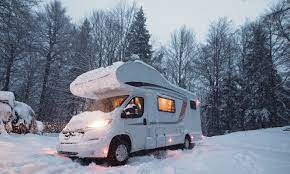
As it gets a bit cooler outside, your RV is going to need some protection from the cold weather. This is because water notoriously expands when it freezes. This means it can lead to leaking or bursting pipes in your RVs water supply. You want to winterize your RV so that the water in it is replaced with antifreeze, which will remain in liquid form even at colder temperatures.
Save some money this winter by winterizing your RV yourself. You can do this with the following supplies:
A few gallons of marine/RV antifreeze—exact amount varies by make and model
A water-heater bypass kit if not already installed
A cleaning wand (see #2 below)
Water pump converter kit or tubing to connect to pump inlet valve
Hand tools to remove drain plugs
A bucket
STEP 1: GET RID OF WATER FILTERS
As an RV, the first thing you need to do is remove or bypass any inline water filters because antifreeze can damage them. As you work on the filters, see if they need replacement. If you do need to replace them, you have all winter to find new filters at the best price.
To obtain these filters, you’re going to need your owner’s manual.
STEP 2: DRAIN THE TANKS
Then you want to drain the freshwater holding tank. To get to this tank, you have to know that it is accessible below your RV near an exterior wall and is usually centrally located so that it can deliver water to sinks and showers. Just locate the valve and open it. It is okay if it drains onto the ground, though if you are in an RV park your neighbors may not appreciate it.
Then, you want to find the drain plugs or valves for the black and gray water tanks. These tanks are usually by the exterior wall underneath your RVs bathroom. The drain valves should be easy to locate from there.
If you allow waste-water to remain in those for an extended period of time, this not only increases the risk of water freezing, but it lets potential harmful bacteria grow unimpeded. The tanks for black and gray water should only be drained at an approved dumping facility. Your drain hose should be properly attached at both ends before you start draining. It’s an easy mistake to make, but one you’ll instantly regret.
Drain the black water tank first. If your RV does not have its own tank-flushing system, you can utilize a cleaning wand to flush the black water tank. Products like Flush King also help flush out both waste-water tanks. When you’re done, it assists in lubricating the termination valves with WD-40 for future use.
Draining the black water tank first allows the gray water to flush out the drain hose, keeping it cleaner for future use and storage.
STEP 3: DRAIN WATER HEATER AND LINES
DRAINING THE WATER HEATER
The water heater should not be hot or under pressure when it is drained. Be sure to shut the water heater off and let it cool. You don’t want to be burned.
There could be different places to turn off your water heater. It’s best to turn them all off. One power switch is on the water heater itself, accessible from the outside of the RV. The other is on or near the control panel in your RV.
The next step is to stop the water that is going into the water heater. Usually there’s a valve within a foot or two of where the pipe or hose enters the water heater.
Now, can open the pressure relief valve. Wait until water stops running from the PRV before moving on, and leave the valve open.
At this point, get a bucket. It’s crucial because it’s time to drain the water heater.
While it’s draining, check the water in the bucket for rust, sediment, or scaling. If you see these things, you might want to flush your water heater again, replace your anode rod, or start saving for a new water heater.
STEP 4: DRAINING YOUR RV’S WATER LINES
Open all faucets and locate and open the low-point drain plugs on the system. Flush the toilet to remove water in the tank. If you have an outdoor shower, be sure to drain it as well.
Once the water is drained, you need to recap all the drains and close all faucets.
STEP 5: BYPASS THE WATER HEATER
You’re about to add antifreeze to your plumbing system, but filling your water heater would waste six to ten gallons of antifreeze. It makes the dewinterizing process more difficult if the hot water tank isn’t bypassed.
Many RVs come with a bypass installed, but if yours doesn’t have one, visit an RV repair facility to have one installed.
STEP 6: ADD ANTIFREEZE
Now you need to pump the antifreeze in your system. This will help you when your plumbing when the thermometer dips below freezing. There are two ways to do this:
- You can put in a water pump conversion kit
- You can utilize the inlet side of the water pump
Water pump conversion kits will come with details on their instructions on how to use them. If using the inlet side of the water pump, disconnect the line coming from the freshwater tank and attach tubing that connects to the inlet. Put the other end of the tubing into a container of non-toxic marine/RV antifreeze. Then turn on the pump, which will pressurize the plumbing system.
Starting with the closest faucet to the pump, slowly open the hot and cold faucets until antifreeze comes out. Once you see antifreeze, close the faucet. Do this to all faucets, working from closest faucets to pump to the farther faucets. As you pump antifreeze through the water lines, you may need to replace the antifreeze container. Don’t forget the outdoor shower.
Next, be sure to flush the toilet until antifreeze appears in the bowl. Introduce antifreeze into the drain lines and holding tank, so pour a cup of antifreeze in each drain and into the toilet bowl. Flush the toilet.
Now, it’s time to turn the water pump off. You’re going to open a faucet to release the pressure in the system. Go to the city water inlet valve. Remove the small screen and push on the valve with a screwdriver until antifreeze comes out. Replace the screen and close the inlet. Double check that the water heater’s heating element is switched off and that all faucets are closed.
STEP 7: ADD DAMPRID SPILL FOR MOISTURE COLLECTION
Now that you’ve made it this far, you’re going to add the DampRid Spill For Moisture Collection inside the RV to prevent mildew and moisture and mold inside over the storage period. This will maintain your upholstery and walls, otherwise you risk odors and dampness when you return to get your RV.
STEP 8: THE BATTERIES
With you intending your RV to sit for several months in cold weather, you need to take out the battery and bringing it indoors can extend the life of an auto battery and help it keep its charge.
Batteries should be placed in storage in a place that is warm, dry place, with something underneath them in case they leak (cardboard or any sort of mat works well). Some recommend using a battery maintainer to help the battery keep it charged.
RV WINTERIZATION COMPLETE
Your RV is now ready for winter!
While you are winterizing your RV, you may find some issues with your RV that need to be addressed. In the past, many RVers used RV repair shops almost exclusively unless their RV was disabled. These days, however, RV service centers are overburdened by the high number of RVs in need of repair. We hope you enjoyed these steps from PDX Auto Storage to get the info you needed to winterize your RV.